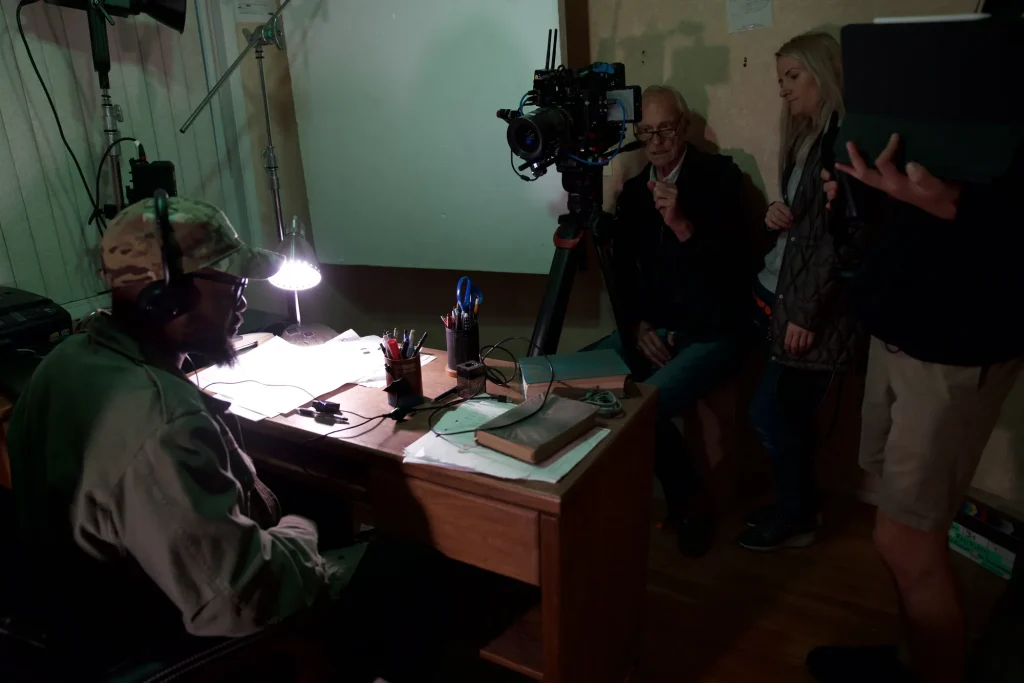
People often call Residuum a dystopian thriller, and I understand why. A government keeps everyone inside, food is rationed, and a militia knocks on doors. But for my sister Vilma and me, those parts of the film were not imagined. They were memories, because we grew up in one.
A childhood with rules for everything
We were born in Tirana and raised in Shkodër, in northern Albania, during the last years of communism. Rules governed where you could go and what you could say, and everyone obeyed curfews. The government even decided what you could wear, down to the way you wore your hat. Food came in rations, and the rations were never enough. Some families went hungry, and some people died of starvation.


As a child, you don’t have words for any of this. You simply learn to be careful, and you learn it so early that it becomes part of who you are.
You simply learn to be careful.
What the history books say
Only years later, as adults reading about that time, did we understand how unusual our childhood had been. Under Enver Hoxha, Albania had become one of the most closed countries in the world. The regime broke with Yugoslavia, then with the Soviet Union, and finally with China, and it banned foreign loans and investment altogether. By the 1980s, Albania was Europe’s poorest country. Rationing had become a permanent part of life, with bread and meat handed out on coupons, while coffee and sugar were luxuries most families rarely saw.
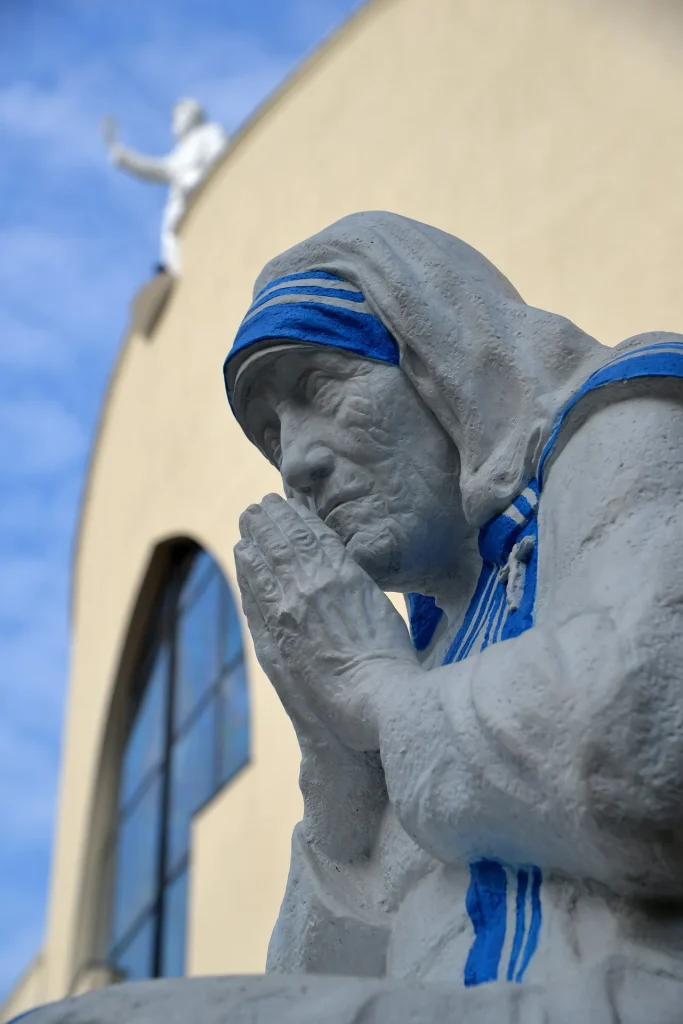
In 1967, the government had declared Albania the world’s first atheist state. Around two thousand churches, mosques, and monasteries were closed, torn down, or turned into warehouses and gyms, and practicing any faith was forbidden. Vilma and I are believers today, so that part of our country’s history means a great deal to us.
One channel, four hours a day
Until we were seven, there was no television in our home. A black-and-white set only came to a family lucky enough to win the state lottery, and even then there was just one channel, TVSH, which aired from six to ten at night.
Then, as communism began to fall apart across Eastern Europe, our aunt received a color TV through her husband’s relatives in the former Yugoslavia. Suddenly, Italian and Yugoslav channels were playing in the next room. Every visit to her house became an event, because it meant a chance to watch filmat me ngjyra, films in color. That feeling never left us, and years later it gave our company its name. For us, each color is a genre, a mood, and a way to reach people.
We weren’t the only ones who were hungry for those pictures. For years, Albanians had secretly watched Italian television on homemade antennas, and after 1973, being caught with one could bring severe punishment. Those forbidden broadcasts taught a whole generation of Albanians to speak Italian.
When 2020 felt familiar
We came to America and built our lives here, and for a long time that childhood felt very far away. Then the lockdowns came in 2020, and something about them didn’t sit well with us. The rules, the fear, and being told to stay inside touched something very deep from our childhood, something that is hard to explain unless you have lived through it yourself. We spent a lot of that time with a few close friends, sharing our memories of communism and trying to understand what was happening in the world.
That is where Residuum began.
Putting it on screen
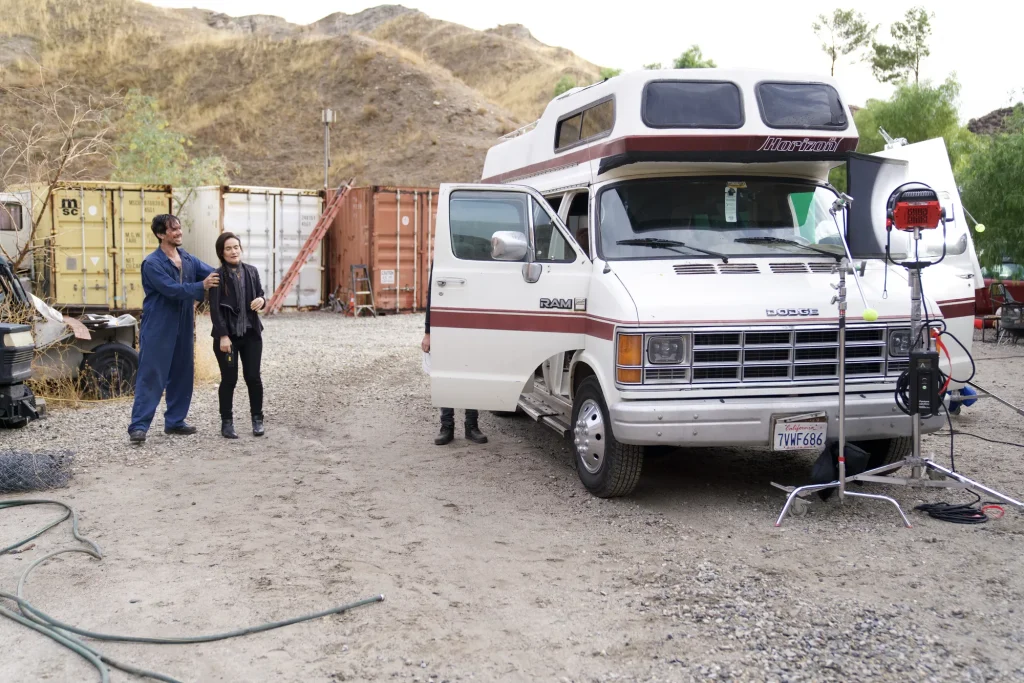
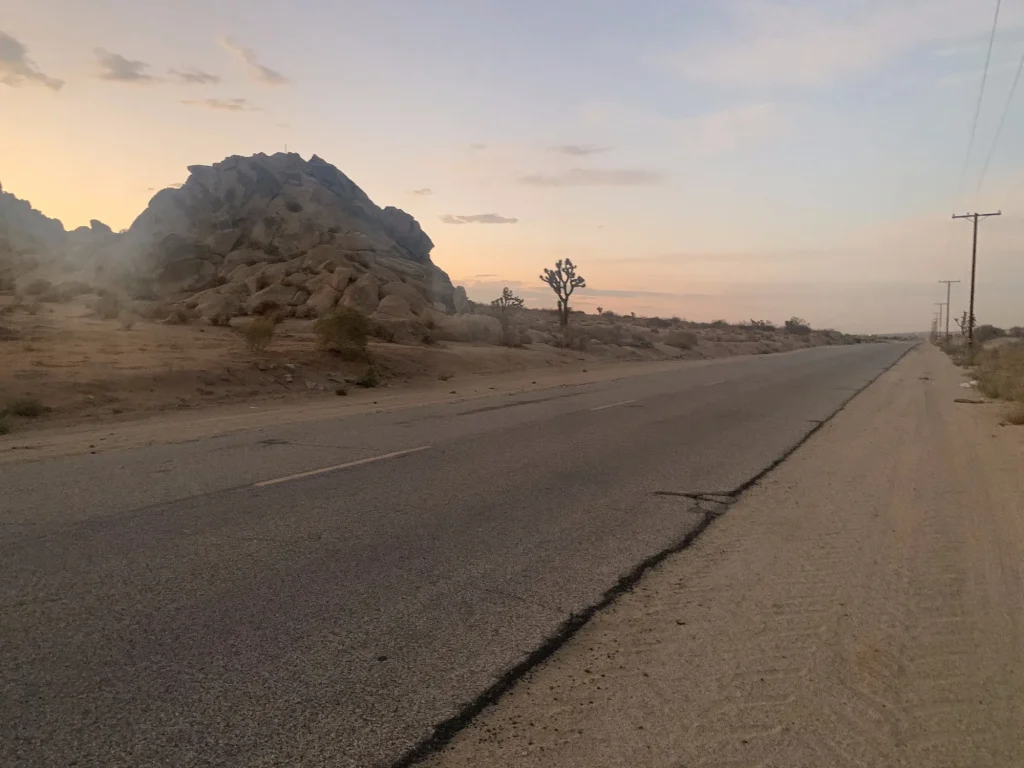
In Residuum, after millions of people vanish, the government keeps everyone inside “for their safety” and hands out food rations, and neighbors are recruited into a militia. None of that came from a science fiction novel. It came from the Albania we grew up in, and we wanted audiences to feel how quickly ordinary life can turn into something else.

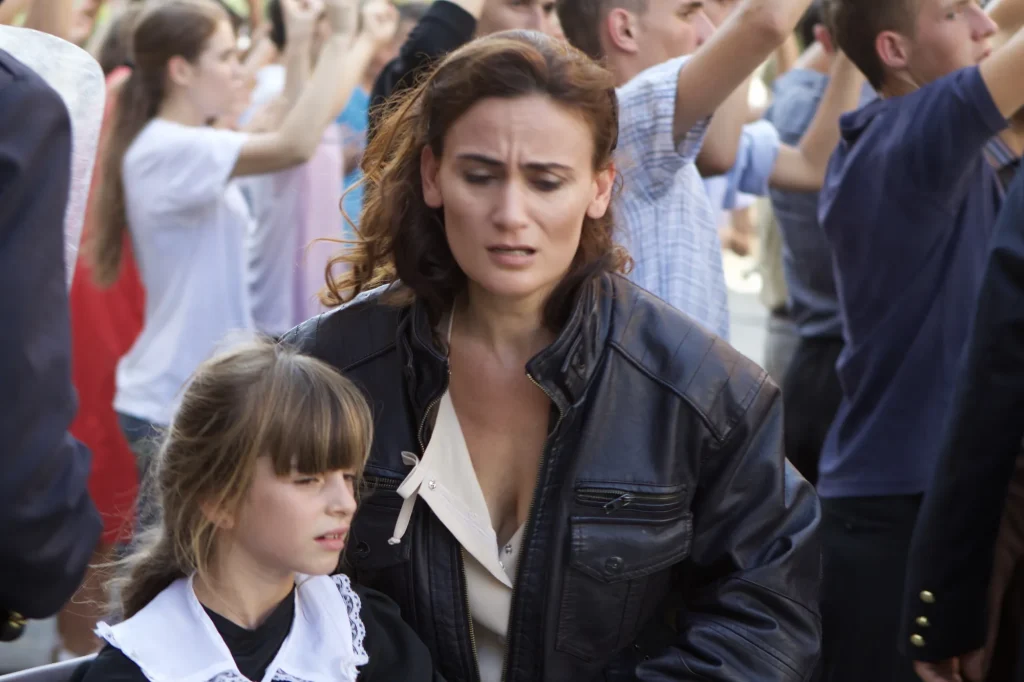
Years before that, we made Shqipe/Eagle, based on real events. It follows a mother who flees post-communist Albania with her young daughter, hoping to find a better life in America, and who ends up trapped in a dangerous hidden world. We shot it in Shkodër, on the streets where we grew up. It is a film about the cost of freedom, and about how you can escape one kind of control only to walk into another.

Why we keep telling these stories
Freedom is easy to take for granted when you have never lived without it. We have lived without it, and that is why we make the films we make. The stories that move us most are the ones rooted in real life, because audiences can feel the truth in them, even if they have never lived it themselves.
Watch Shqipe/Eagle Watch Residuum
Written by Greta Zenelaj, with Vilma Zenelaj. Born in Tirana, raised in Shkodër.
Sources: our own memories; Balkan Insight, How Albania became the world’s first atheist country; People’s Socialist Republic of Albania; VIEW Journal, Albanian television and Italian media; European University Institute, Italian TV in Albania.