It was two in the morning, on the fourth night of our first Residuum shoot, and we stood under a giant moon balloon lighting an entire set. Everyone was on overtime, everyone was tired, and the two of us were quietly doing the math. That one night would cost us about $10,000. The next morning, Vilma woke up and thought, I can’t do this anymore. Greta felt the same.
We shut the production down after five days and $56,000. It was money we had saved over years, money we had put aside because we couldn’t imagine our lives without making films. And for a while after shutting down that first week of production, we honestly didn’t know if we would ever make another film again.
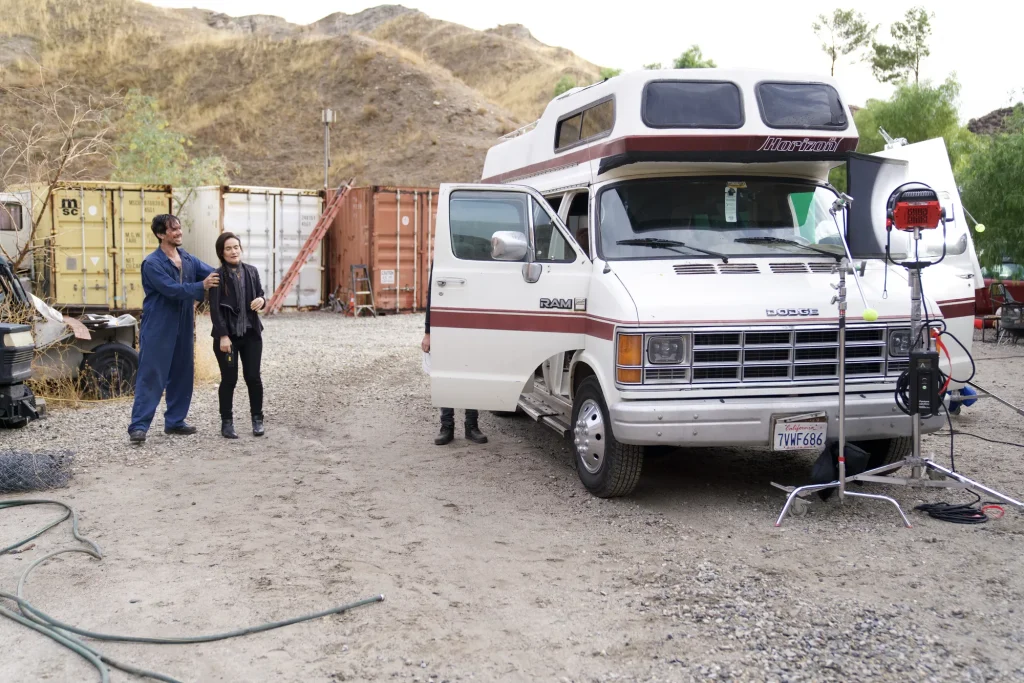
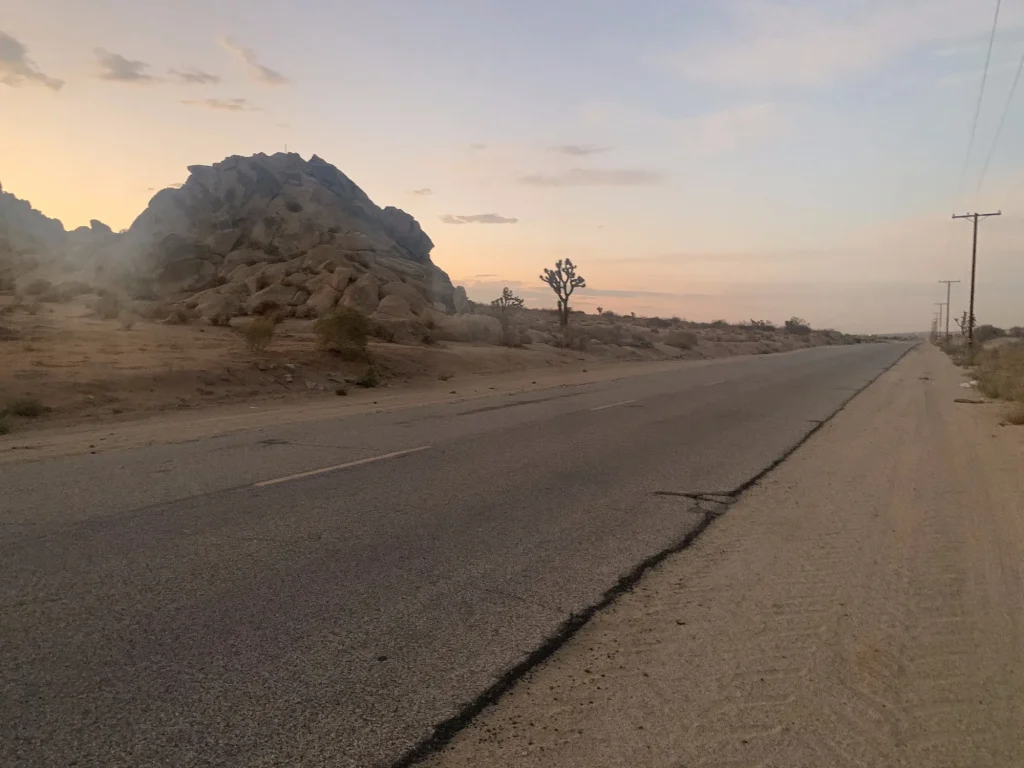
But we did. We went on to make Residuum a second time, with a $1,000 RV and no crew at all, just the two of us, and that is the film people watch today. Looking back, we’d already learned almost everything we needed to finish it on our earlier films. We just hadn’t understood it yet. So, is it possible to make a movie on a micro budget? We believe it is, and the best way we know to explain how is to start at the beginning.
The forest
Our second film, In the Woods, was a thriller set deep in the forest, and we wanted it to feel real, so we shot it in the Angeles National Forest. We were so proud to be filming there that we paid $5,000 for the permit without thinking twice. Later, we found out that a state park would have given us the same trees and the same light for no fee, as long as we had the right paperwork. It still stings a little, because $5,000 meant a great deal to us back then. We didn’t know yet that the most valuable thing a small production can do is ask before it pays.

The forest taught us other things, too. One morning, deep in the woods, with the whole crew waiting, our grip truck, the one carrying all of our equipment, got stuck in a lake. For a moment, it felt like the entire day was gone. We took a breath, reworked the schedule, and shot other scenes while our producer found a tow truck. It reached us within a few hours and cost $700 we hadn’t planned for, but that $700 saved the day, and it taught us to always keep money aside for the day something goes wrong. Something always does.
And yet, when we think of In the Woods now, the first thing we remember isn’t the lake. It’s the kitchen. Our producer and I cooked breakfast, lunch, and dinner for the whole crew, every single day, in the middle of the forest. It saved money, of course, but it did something more. People never forget how it felt to be taken care of, and a crew that feels cared for will carry a film a long way.

Albania, and the long quiet years
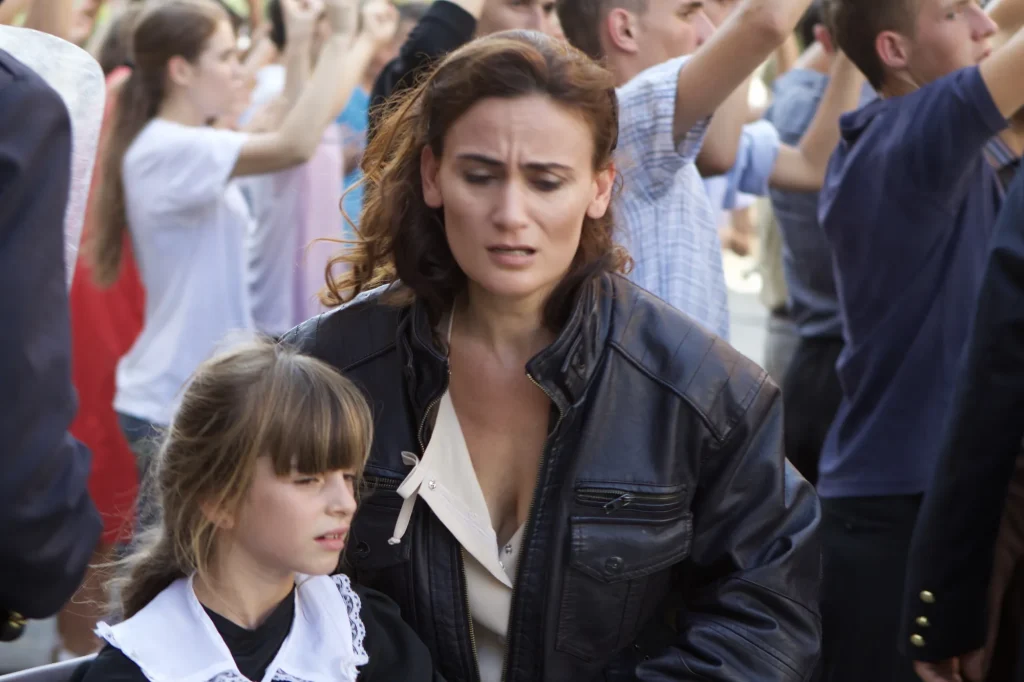
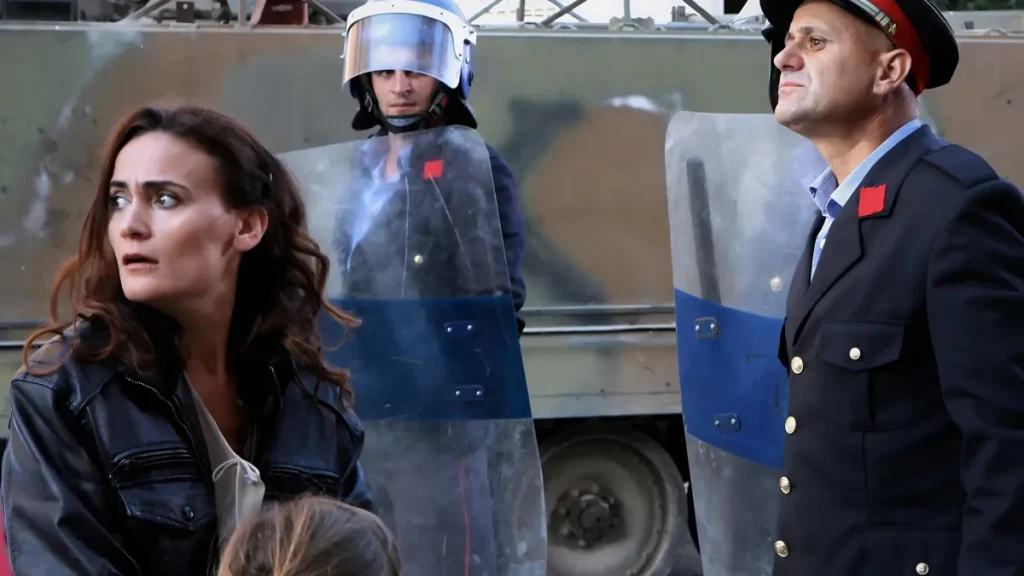
That feeling of family came with us to Albania, where we shot Shqipe/Eagle, a story based on real events, on the streets of Shkodër where we grew up. When it was finished, we faced a question every independent filmmaker eventually faces: who will see this? We put Shqipe/Eagle and In the Woods on Amazon Prime early, using our own studio account, instead of handing them to one of the many services that promise to get independent films onto the big platforms and are rarely clear about where the money goes.

Then came a long, dry season. It had been eight years since our last three films, and during that time, we kept working and saving, putting money aside every year for the next production. We always believed the next film would be our comeback. When Residuum finally came together in 2022, we had what felt like a real budget for the first time, and we were ready to do it the way we thought films were supposed to be made.
The comeback that fell apart
For the first shoot of Residuum, we hired a full crew, and we hired a lot of them based on highlight reels and excitement. Almost from the first day, something felt wrong. The footage kept coming back shaky and out of frame, and when we asked for the shots we needed, they brushed us off. We kept telling ourselves it would get better because everyone seemed so excited, and because we wanted it so badly to work. It didn’t get better. It ended under that moon balloon, at two in the morning, five days and $56,000 later.
It was the most expensive lesson we have ever learned, and not only in money. A highlight reel only shows someone’s best thirty seconds, and it can hide a great deal. Now we watch complete work, a full short or a full scene, before anyone steps onto our set. It feels slower at the start, but it is so much kinder to everyone in the end, including the people you hire.
A highlight reel only shows someone’s best thirty seconds.
Starting over with what we had
When we decided to make Residuum again, it was just the two of us, and we had to be honest with ourselves about what two people can carry. We knew almost nothing about lighting, and honestly, it scared us. So we went to film school on YouTube, three or four hours a day for a month. We chose a camera that could see in the dark, the Sony FX3, with its second base ISO of 12,800, and we learned to shoot with whatever light was already there: a lamp, a window, the last few minutes of daylight. Instead of a truck full of equipment we didn’t know how to use, we had one small camera and a lot of patience.
We also started looking at the film differently. Instead of asking what the script needed and then paying for it, we asked what we already had available, and we let that shape the story. By the end, we had moved into a friend’s house to finish the film, because the drive kept eating our days, and the rooms we slept in became sets you see on screen. When we needed a place that felt abandoned, a friend told us about a house that had sat empty for a year. We walked in, and it was already there: the dust, the stillness, the feeling that life had simply stopped. We barely had to move the furniture.
Then the story needed a gas station, and renting a working one was out of the question. Years earlier, in the forest, we would have simply paid. This time, we asked. Someone told us about a man in Santa Clarita who had built a gas station in his own backyard, and we still laugh about it, because who builds a gas station in their backyard? But that is exactly where we shot the scene. You never know what people have, or what they will let you use, until you ask, and more often than not, when people hear you’re making a film, they want to be part of it.
Even the kitchen came back. We planned a weekly menu and shopped at Costco, so Monday was lasagna, and Tuesday was roast beef with beans and rice. It was simple food, but on the long, cold days, it held everyone together, just as it had in the forest years before.

Four inches deep
Not everything went smoothly the second time, either. Vilma had never operated a cinema camera before, and at first she shot handheld. Three or four days in, we sat down to watch the footage together, and it didn’t look right. We thought we were doomed. We had already started this film over once, and now it felt like it was slipping away from us again.
Then a simple tip from a tutorial changed everything: start on a tripod. We had an old one, more than five years old, and we weren’t even sure it would hold the camera. We reshot the first scene on it, and it came out beautifully. That old tripod felt God-sent. Handheld can be a wonderful choice, but it works best once you know exactly what your shots need. Until then, start on sticks.

There were lighter moments, too. One scene needed a grave, so Greta started digging, and after an hour, she was four inches deep. A strong friend named Phil came to help, and we paid him in cookies. That is what making a film with no budget really looks like: people who love you, a lot of improvising, and a sense of humor about it all.
Who it’s for
We finished Residuum, and it premiered in April 2025. And the question we faced with Shqipe/Eagle years earlier came back, bigger than ever: who will see it?
We’ve come to understand that finishing a film is only half the journey. The films that find their way are the ones whose makers already have people waiting for them, people who care about the story before it ever comes out. That is why we are building our own audience now, long before our next film is finished, and why we would tell you to start building yours today. Share the journey, including the hard days. The people who walk it with you will be the first ones to watch.
Was it worth it?
Standing under that moon balloon at two in the morning, we weren’t sure. Today, we are.
If you’re starting with almost nothing, you’re in good company. Robert Rodriguez made El Mariachi for about $7,000, and Paranormal Activity was shot for around $15,000 before it went on to earn about $193 million. None of those filmmakers had money either. What they had was a story they believed in, and the stubbornness to tell it with whatever they could find.
Money helps, but it doesn’t make a film. If we could go back and tell ourselves one thing in that forest, it would be this: write around what you have, ask before you pay, keep something aside for the bad day, take care of the people beside you, and believe in the story enough to start over if you have to. If a story won’t leave you alone, find a way to make it.
Watch our films Get our free lessons
We share a new filmmaking lesson from our own sets every day, each with a free one-page guide. Follow us to get them.
Written by Greta Zenelaj and Vilma Zenelaj.
Sources: our own productions, In the Woods (2011), Shqipe/Eagle (2014), and Residuum (2025); Collider, These small-budget movies cleaned up at the box office; NPR, Paranormal Activity; Sony FX3.